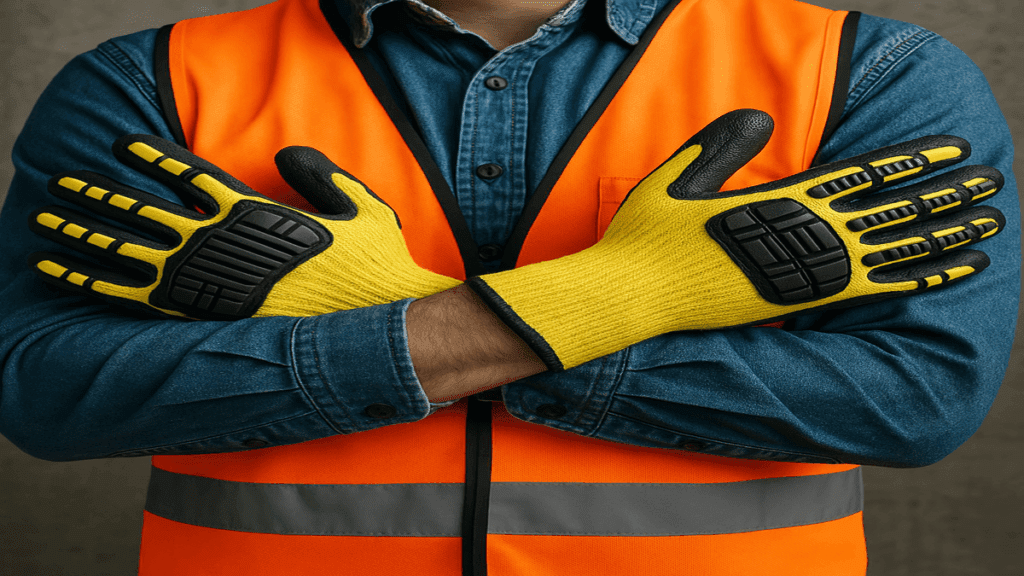
Introduction Workplace safety is a critical concern across various industries, and safety gloves play a vital role in protecting workers from injuries. Whether in construction, manufacturing, oil & gas, welding, or motorbiking, hands are constantly at risk of cuts, burns, abrasions, chemical exposure, and impact injuries. Wearing the right protective gloves ensures safety, efficiency, and compliance with workplace regulations. In this article, we explore the importance of safety gloves, their types, and how they help prevent injuries. Why Are Safety Gloves Important? Hands are among the most used and vulnerable parts of the body in any work environment. Workplace injuries such as cuts, burns, fractures, and chemical burns are common when workers do not wear proper hand protection. According to workplace safety reports, a significant number of injuries occur due to inadequate personal protective equipment (PPE), including gloves. The right pair of gloves can: Prevent cuts and abrasions in high-risk tasks. Shield against chemical exposure in industries dealing with hazardous substances. Protect from heat and flames in welding and high-temperature environments. Reduce impact-related injuries in construction and heavy industries. Enhance grip and dexterity, improving overall performanc Common Workplace Hazards for Hands Several industries require work gloves to safeguard employees from hazards. Below are some common risks and how the right gloves prevent them: 1. Cuts and Lacerations Industries: Construction, Manufacturing, Glass Handling, Metalwork Solution: Cut-resistant gloves made from Kevlar or reinforced synthetic fibers. 2. Chemical and Toxic Exposure Industries: Pharmaceuticals, Chemical Handling, Laboratories Solution: Chemical-resistant gloves made of nitrile, latex, or neoprene. 3. Burns and Heat Exposure Industries: Welding, Foundries, Kitchen Work Solution: Heat-resistant gloves with fireproof coatings like leather or aramid fibers. 4. Impact and Crush Injuries Industries: Construction, Mining, Oil & Gas Solution: Impact-resistant gloves with padded knuckles and reinforced palms. 5. Electric Shock Hazards Industries: Electrical Work, Power Plants Solution: Insulated rubber gloves designed for electrical resistance. Types of Safety Gloves and Their Uses Choosing the right work gloves is essential for maximum protection. Below are common types of industrial gloves and their applications: 1. Cut-Resistant Gloves Designed to prevent cuts, punctures, and abrasions. Ideal for construction, glass handling, and metal fabrication. 2. Welding Gloves Made from heat-resistant leather to protect against burns. Used in welding, metalwork, and high-temperature environments. 3. Chemical-Resistant Gloves Made from latex, nitrile, or neoprene for handling hazardous chemicals. Essential for laboratories, pharmaceuticals, and chemical manufacturing 4. Impact-Resistant Gloves Reinforced with shock-absorbing materials for high-impact tasks. Common in oil & gas, construction, and heavy equipment handling. 5. Electrical Insulating Gloves Prevents electric shocks for electricians and power plant workers. 6. Motorbike and Sports Gloves Designed for grip, comfort, and protection during high-speed rides. Essential for bikers, racers, and sports enthusiasts. How to Choose the Right Safety Gloves Selecting the right gloves depends on several factors: 1. Industry Requirements Match the gloves to specific workplace hazards. Ensure compliance with safety standards (OSHA, EN 388, ANSI). 2. Material & Durability Opt for materials like leather, Kevlar, nitrile, or latex depending on the work type. 3. Fit & Comfort Gloves should provide flexibility, breathability, and a snug fit to prevent discomfort. 4. Grip & Dexterity Some gloves offer textured palms for improved grip in wet or oily conditions. Safety Regulations and Compliance Government safety organizations require workplaces to comply with Personal Protective Equipment (PPE) regulations. Notable standards include: OSHA (Occupational Safety and Health Administration, USA) EN 388 (European Standard for Mechanical Risks) ANSI (American National Standards Institute) Employers should provide quality gloves and ensure employees are trained in their proper use and maintenance. Maintaining and Replacing Safety Gloves To maximize protection and longevity, proper glove maintenance is crucial: Inspect regularly for damage, tears, or wear. Clean gloves as per manufacturer guidelines. Replace gloves if they show signs of degradation or reduced effectiveness. Conclusion Safety gloves are an essential component of workplace protection. Choosing the right pair can significantly reduce the risk of injuries and improve workplace efficiency. At DexSafety, we provide a wide range of high-quality work gloves, industrial gloves, and protective gloves tailored for various industries. Protect your hands and stay safe with DexSafety Gloves – Built for Safety, Designed for Comfort! Shop Now at DexSafety.net for the Best Safety Gloves!